
If you’ve been looking for guidance on how to start an electrical business and secure high-value commercial clients, you’ve come to the right place.
With Global Market Insights reporting significant growth in this industry, you’ve chosen a great time to begin this journey and build a strong customer base.
Whether you’ve been an electrician for two decades or two years, starting your own business is always an adventure. However, it’s a important to have a solid foundation when opening your company.
From researching the local industry landscape and creating a business plan, to building a marketing strategy and hiring the right people, there’s plenty to do before you launch.
The right software is a must-have for new electrical businesses too, especially for large-scale commercial projects. Keeping your information connected securely in one place ensures smooth operations and allows you to stay on top of your contractual obligations with ease.
We’ve created a step-by-step guide to help set you up for maximum success and impress your clients!

1. Carry Out Detailed Research
For your electrical company to thrive, it’s essential to understand your customer base from the beginning. After all, they’ll be the ones driving the cash flow and fuelling your commercial growth.
Even if you have experience providing electrical services, you’ll still need to research and define who your customer is. Start by looking at the commercial landscape in your area:
- Is the area you plan to start your electrical business more rural or urban?
- Is there new construction planned in the area?
- Who are your competitors? What types of electrical work are they offering?
- What is the local income tax rate?
Knowing your customer ultimately helps reduce your business risks, and brings you one step closer to building a profitable and sustainable commercial business.
Once you understand who your customer is, be sure to check out this article on which field service metrics you should track to gain insights and scale your fledgeling business.
2. Create a Strong Business Plan
There‘s lots of moving parts when starting a company, and a business plan should act as the guide. A tradition plan typically consists of the following sections:
- An executive summary: Here you’ll put your company’s mission statement and the services you’ll offer, giving a brief overview of your goals and strategies.
- Company description: This section should detail what your business is all about, including your official name, location and size of your workforce.
- Market research: Map out everything you know about your target audience, considering how you can demonstrate your understanding of the competitive landscape.
- Management structure: This is where you discuss your business’ legal structure and how your internal team is organised.
- Products and services: In this section, list your services and and highlight any qualifications that allow you to take on more advanced jobs.
- Marketing & sales plans: Crucial for attracting potential customers, use this to highlight your strategies and steps you’ll take to achieve them.
- Financial analysis: Starting an electrical business is a big undertaking involving lots of upfront costs, so make sure you cover how you’ll allocate those funds.
- Financial projections: If you’re seeking financing, you’ll need to outline how investors will see a return on their investment. Create projected income statements, balance sheets and cashflow statements to show you’ve planned for all the risk associated with launching a company.
- Appendix: If there are additional documents you couldn’t fit in your business plan, such as permits and licenses, or letters of reference, include them here.
When thinking about how to start an electrical business, your plan should be a comprehensive resource. It might be just for your own eyes or shared with potential investors, but helps to position the business with growth in mind.
3. Organise Your Finances
A new electrician business requirements upfront investments, likely needing funds for equipment, inventory, and possibly a physical office space.
It’s therefore important to have a clear overview of how much money you can dedicate to this. Listing out what’s a “must-have” vs a “nice to have” is a good place to start.
Having your own vehicle and fleet management software is probably a must-have, as you’ll need to easily travel between jobs. But buying tablets for your team may be a nice to have, since your personal phones can work while you’re starting out.

Then determine if you can fund yourself or if you’ll require a small business loan or investors to get up and running. Securing these is a big decision and one that should be thoroughly researched before moving forward.
4. Check the Legal Requirements for Starting an Electrical business
First you will need to register your business with the IRS, where you’ll receive an Employer Identification Number (EIN) for tax purposes.
After this, ensure you have all the licenses and permits required by your state, a legal requirement for operating as an electrician or electrical contracting business. Also keep all your documents up-to-date and find out if it’s mandatory to take any additional tests.
Insurance is another non-negotiable for starting an electrical business, so be sure to have the essentials like general liability and commercial auto insurance. Business owner’s insurance and worker’s compensation can be beneficial, too, with the coverage you get depending on the needs of your business.
It’s a good idea to open a business bank account, keeping this separate from your personal accounts to protect your assets. Taking out a credit card also makes it easier to have an overview of your business expenses, while acting as an opportunity to build your company’s credit.
5. Use the Right Tools to Start your Electrical Business
It’s now time to look at what resources you’ll need in place before establishing your business; getting this right is essential for your business’ success and makes it easier to overcome obstacles when they arise.
Hire the right electricians
Behind every successful commercial business is a strong team that’s equipped with the best resources. While operating alone when first starting your company is more financially practicable, consider the pros and cons of enlisting a partner or hiring employees.
Carefully reflect on your own strengths and weaknesses: if you’re great in the field but don’t have much administrative experience, recruiting someone for the office would be beneficial. Or if you’re planning on taking on ambitious projects early on, another skilled technician might be exactly what you need. But first, don’t forget to read our commercial maintenance contracts guide for guidance on managing your projects successfully.
As your business and loyal customer base grows, expanding your team to meet increasing demand is the natural next step. Think about this prospect early on so you’re fully prepared and have the capacity to deliver a great customer experience.
But prior to hiring more employees, ensure it’s financially viable and that they’ll be a valuable addition to your business. Then research your local and state requirements to find out what hiring guidelines you must comply with.
Once you’ve defined the role, create a job listing and begin your search! And make sure to read these electrical interview questions when hiring for the job.
Consider electrical contractor software
Equipping your team with the right tech is important, as a disorganized business can easily lead to costly mistakes and dissatisfied customers.
With electrical contractor software, your entire team is aligned and you’re able to seamlessly manage every aspect of your business in an all-in-one system. From job scheduling, reporting and tracking, to sales proposal tools and parts management, software significantly boosts your productivity and reduces human errors.
Also consider analytics tools, which can have a big impact on time spent crunching numbers. Reports give you valuable insights into your electrical business’ profitability, showing where you’re performing well and highlighting areas for improvement.
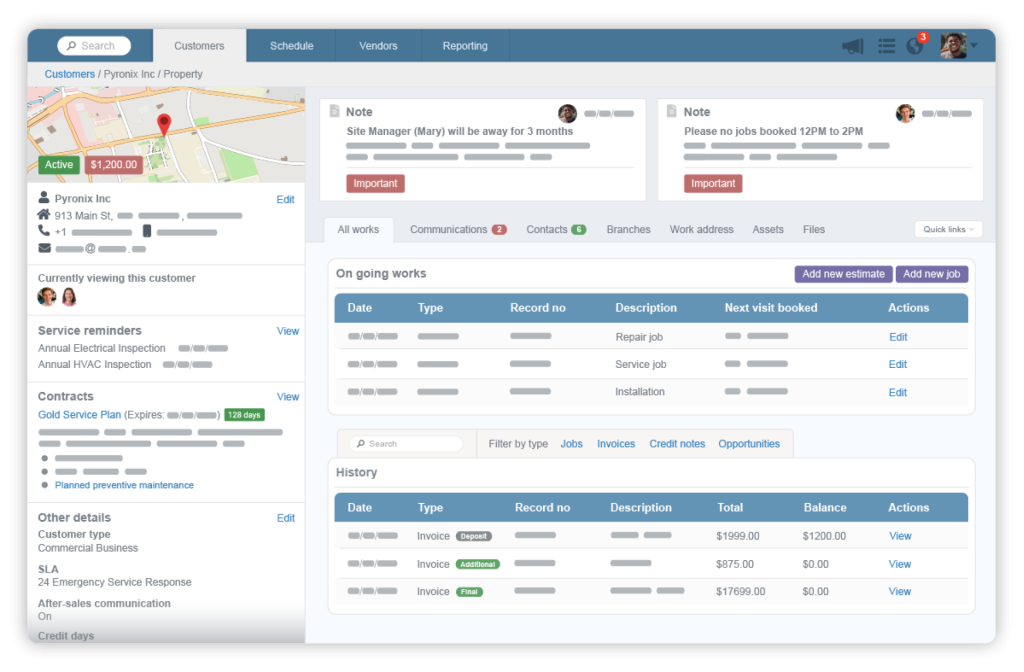
For electrician businesses undertaking commercial projects, service contract management software is a must-have. Delivering on your service promises is seamless with its wide-ranging features, including SLA monitoring, invoicing tools, and automated PPM scheduling.
6. Build a Marketing Strategy
When you start an electrical business, a marketing strategy is important so customers know about the services you offer.
The strategy details the practical steps you’ll take to reach your customers and turn them into actual users of your services. It might involve building organic brand awareness and publicity, or utilizing paid methods advertisements.
During this process, research what’s working for competitors. If you come across an electrical contractor with thousands of positive online reviews, dig into what’s making them successful and use this as inspiration for developing your own marketing plans.
The research you completed earlier also plays a key role here. Consider your target audience and what appeals to them most. For younger customers, utilizing social media platforms like Facebook, Twitter and Instagram could help promote your business. If they’re older, placing an ad in your local newspaper or delivering mail flyers might do the trick.
Bear in mind, however, that marketing efforts won’t show results overnight. They take time and patience, so don’t be discouraged if you don’t see an immediate influx of leads following an ad campaign. Be open to experimenting and adjusting as you go.
Once you’ve discovered what could work for you it’s time to start implementing your plans! That way, you’re setting yourself up for maximum success.
And if you’re not sure where to start, check out these electrician marketing ideas to increase your revenue and appeal to high-value commercial clients.
7. Launch Your New Electrical Business
While there’s no single formula for how to start an electrical business, following this guide will put you on the right path.
Our best advice when beginning your journey is to be flexible. You’ll encounter obstacles along the way, but careful planning and preparation will prepare you to overcome these challenges.
Equipped with a solid business plan, skilled team members and efficient tools and strategies, your new business is built for success.
If you’re looking for another useful resource to support your growing business and secure sales with commercial clients, check out our electric generator proposal template below.





 English (United States)
  English (UK)